

They Buried It in Milk Cans So You Could Read It
In 1999, UNESCO added three collections from Poland to its Memory of the World register: the scientific works of Copernicus, the masterpieces of Chopin, and a pile of documents that had spent years buried in metal boxes and milk cans under the rubble of Warsaw.
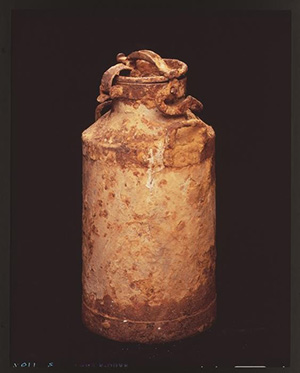
One of those containers is in New York right now. The Museum of Jewish Heritage in Battery Park has an exhibition up called Will These Words Reach You? The Underground Archive of the Warsaw Ghetto, and it runs through February 14, 2027. You should go, and I’m going to try to convince you without many jokes, because this story doesn’t need my help.
Some background, in case your Hebrew school skipped this part. In November 1940, the Nazis sealed the Warsaw Ghetto and locked more than 400,000 Jews behind its walls. According to the US Holocaust Memorial Museum, 83,000 of them died of starvation and disease between 1940 and the middle of 1942. By August 1941, more than 5,000 people a month were dying that way. That’s before a single deportation train left.
In the middle of this, a historian named Emanuel Ringelblum put together a secret group to write it all down. They called themselves Oyneg Shabes, Yiddish for “the joy of the Sabbath,” because they met on Saturdays. Teachers, journalists, rabbis, scholars, artists, and teenagers from youth movements, people who on any normal day would have been screaming at each other about politics, put that aside and worked together. If you’ve ever been in a room with three Jews and one topic, you know that alone is a miracle.
Over about three years they collected nearly 35,000 documents. Diaries, letters, testimonies, underground newspapers, artwork, ration cards, things kids wrote. Obviously they recorded the hunger and the killing, but they also kept the stuff a normal archive would keep, like what people were reading and fighting about and what their kids were scribbling in school. Honestly that’s what stays with me. The Nazis wanted the Jews of Warsaw gone and they wanted them forgotten, and this group was working on the second problem with paper and ink.
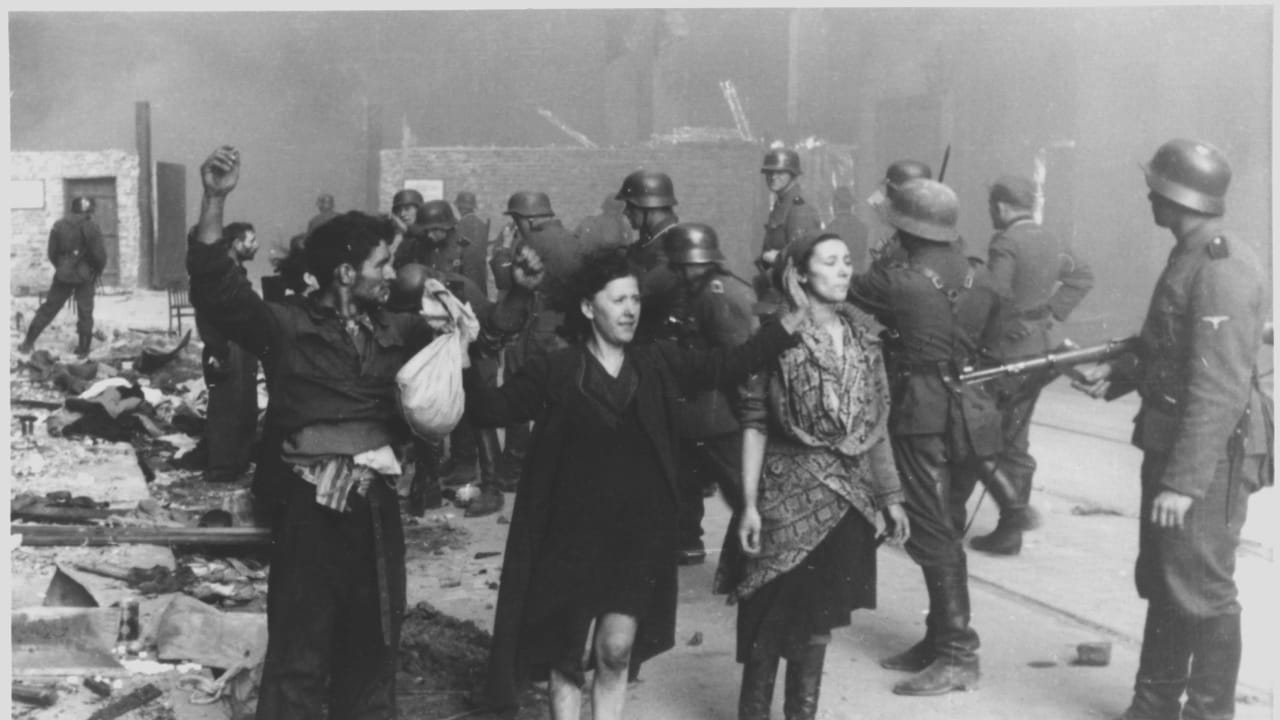
In the summer of 1942 the deportations started. Between July 22 and September 1942, the Germans sent about 265,000 Jews from Warsaw to Treblinka and killed roughly 35,000 more inside the ghetto. The people of Oyneg Shabes understood exactly where this was going, so they buried the archive. On August 3, 1942, a 19-year-old member named Dawid Graber wrote a last will to go into the ground with it. In historian Samuel Kassow’s translation, it opens with this line:
What we were unable to cry and shriek out to the world we buried in the ground.
He was writing to us, knowing full well he would be dead before anyone dug it up, and he was.
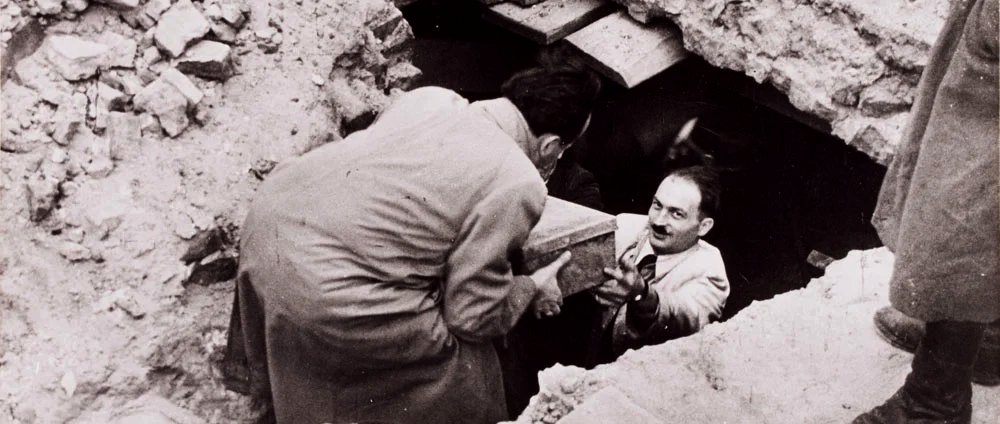
Out of roughly sixty people who worked on the archive, three survived the war: Hersh Wasser, his wife Bluma Wasser, and the writer Rachel Auerbach. Ringelblum himself got out of the ghetto and went into hiding, but he was found in 1944 and shot, along with his wife and their son. After the war, the survivors helped search the ruins, and on September 18, 1946, the first cache came out of the ground. Two more milk cans were found by construction workers in December 1950. A third part of the archive has never been found. It’s still under Warsaw somewhere, or it’s gone.
The exhibition was produced by the Jewish Historical Institute in Warsaw, which holds the archive today, and it marks 80 years since that first recovery. It has original artifacts, including one of the actual burial containers, plus reproductions, maps, animated projections, and film footage of the postwar dig. You can stand a few feet from a container that was actually in the ground.
Full disclosure, I’m the person who, on family trips to Paris, kept insisting on Jewish and Holocaust sites when my parents wanted me to be cultured and cosmopolitan. They thought it was provincial of me. So yes, I’m biased. I still don’t see how anyone walks out of this exhibition calling it provincial. These people knew they were going to be murdered and they spent the time they had left making sure we’d know who they were. If that’s provincial then I don’t know what the word is for.
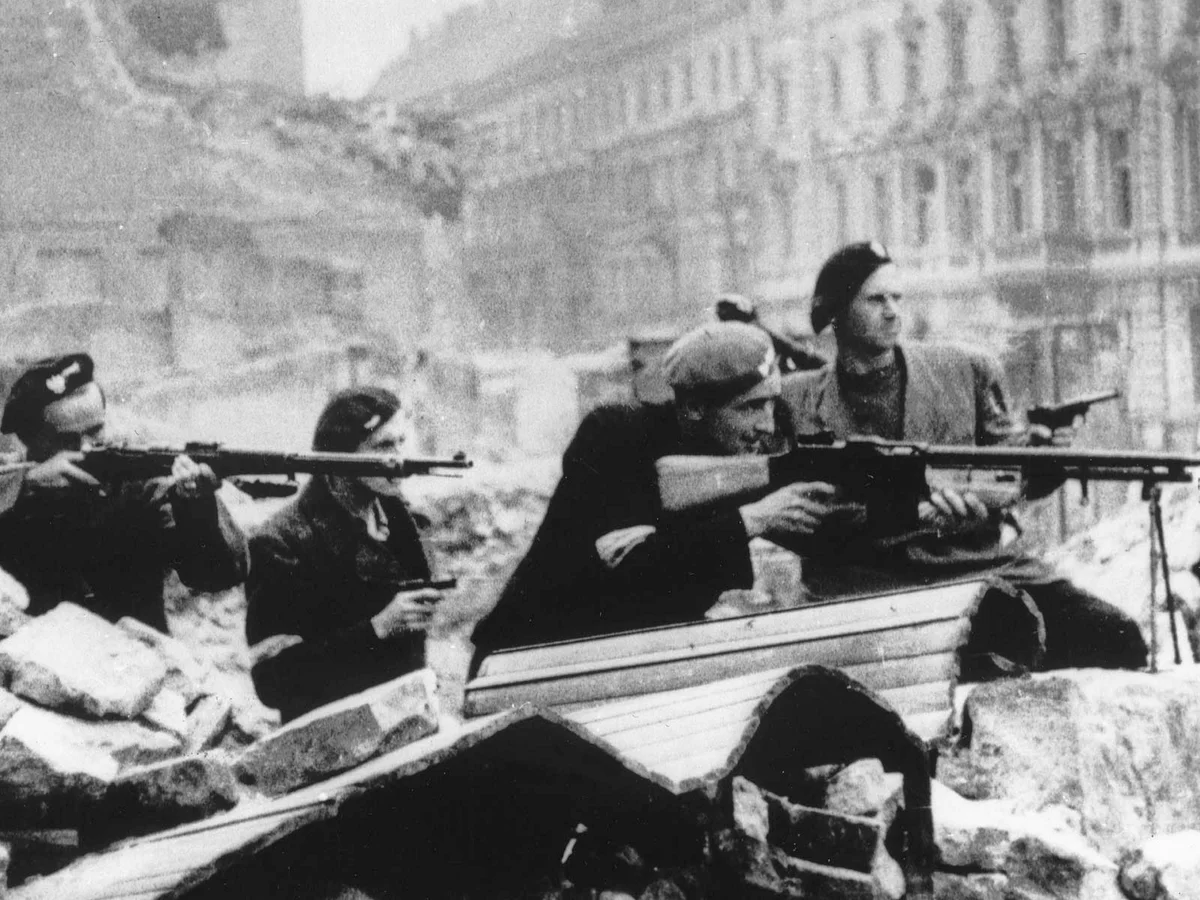
One more point, and then you can go buy your tickets. Since October 7, I’ve watched the Warsaw Ghetto become a slogan. Gaza is the Warsaw Ghetto. Hamas are the ghetto fighters. I would love for everyone posting that to spend an hour with this archive, because it answers the comparison better than I can. The Jews of Warsaw had no government and no army, and they hadn’t attacked anybody. The ghetto was a holding pen, and by the summer of 1942 the only way out led to Treblinka. When the fighters of the Jewish Combat Organization rose up in April 1943, they were shooting at SS men who had come to put them on trains. They didn’t cross a border into farming villages, go house to house, and drag grandmothers back as hostages. When you call the men of October 7 the heirs of Mordechai Anielewicz, you’re taking the one thing the Nazis failed to take from the Jews of Warsaw, their own account of what happened to them, and handing it to the people who murdered Jews at a music festival. You can believe that Palestinians in Gaza have suffered terribly, and they have, without doing that. The people who buried those milk cans were very clear about what they wanted the world to know, and it wasn’t that.
Will These Words Reach You? The Underground Archive of the Warsaw Ghetto is on view through February 14, 2027 at the Museum of Jewish Heritage, 36 Battery Place, New York. Get tickets. They went to a lot of trouble to get this to you.